Bone Density and Hormonal Changes in Women: A Physiotherapist’s Perspective
Dr. Sunita Dahal
Physiotherapist, BPT
Bone Density and Hormonal Changes in Women: A Physiotherapist’s Perspective
Bone health is an important part of women's health, yet it often receives attention only after a fracture occurs. As a physiotherapist, understanding the relationship between hormones, bone density, and physical activity is essential for promoting long-term mobility and independence.
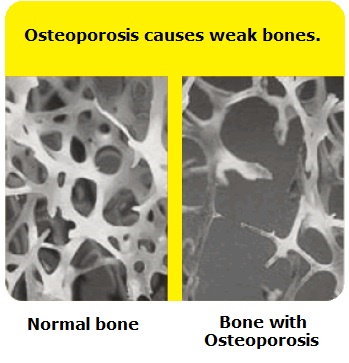
Bones are living tissues that continuously undergo remodelling. Oestrogen plays a key role in maintaining this process by limiting excessive bone breakdown. During perimenopause and menopause, declining oestrogen levels can accelerate bone loss, increasing the risk of osteopenia and osteoporosis. According to the International Osteoporosis Foundation, approximately one in three women over the age of 50 worldwide will experience an osteoporotic fracture during their remaining lifetime (IOF, n.d.).
From a physiotherapy perspective, prevention involves more than simply recommending calcium supplements. Weight-bearing exercise, progressive resistance training, balance exercises, and functional movement training are important components of maintaining muscle strength, supporting bone health, and reducing falls. Adequate calcium and vitamin D intake, alongside appropriate medical assessment, also contribute to skeletal health.
Women with osteoporosis require individualised exercise programmes, particularly if they have a history of vertebral fractures or falls. High-impact activities and forceful spinal movements may need modification depending on their clinical condition. Physiotherapists can help women exercise safely, improve posture and balance, and maintain confidence in everyday activities.
Bone loss can progress without obvious symptoms, making early awareness important. By combining appropriate exercise, education, and timely referral, physiotherapists can play a valuable role in helping women protect their bones and maintain an active, independent life through hormonal transitions.